Thermowood is becoming an increasingly popular alternative to traditional tanalised timber…
When choosing timber for a new fence, garden screen or outdoor structure, durability is one of the most important considerations. After all, British weather can be tough on timber, with constant exposure to rain, moisture and temperature changes.
Traditionally, pressure-treated (tanalised) timber has been the go-to option for outdoor projects. However, in recent years Thermowood has become an increasingly popular alternative, offering enhanced stability, durability and a more premium appearance.
So what is the difference, and which is the better choice for your garden? Why Does Timber Need Treatment?
Not all timber is naturally suited to outdoor use. While species such as Oak, Sweet Chestnut, Douglas Fir and Larch offer varying levels of natural durability, most timber benefits from additional treatment when used in exposed environments.
Without protection, timber can absorb moisture, leading to swelling, warping, splitting and eventually decay.
This is where both tanalising and thermal modification come into play.
What Is Tanalised Timber?
Tanalised timber is softwood that has been pressure-treated with preservatives designed to protect against rot, fungal decay and insect attack. The treatment process forces preservatives deep into the timber under pressure, helping to extend its lifespan when used outdoors. For many years, tanalised timber has been the standard choice for fencing due to its affordability and widespread availability.
What Is Thermowood?
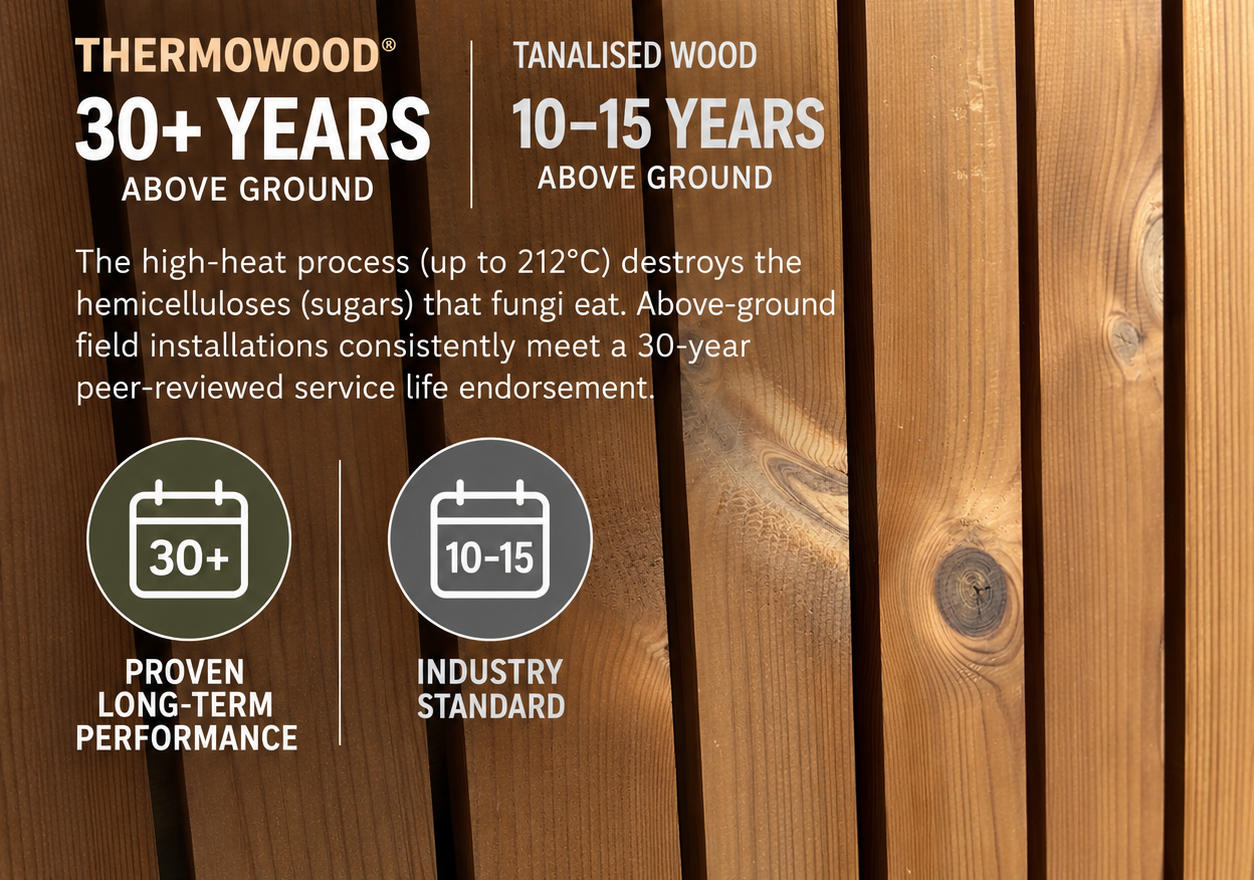
Thermowood takes a completely different approach. Instead of using chemical preservatives, the timber is heated to extremely high temperatures in a carefully controlled environment. This process permanently alters the structure of the wood, reducing its ability to absorb moisture. The result is a timber that is naturally more stable, durable and resistant to decay.
Benefits of Thermowood
One of the biggest advantages of Thermowood is its dimensional stability. Because it absorbs significantly less moisture than standard timber, it is far less likely to twist, cup, shrink or warp. For fencing, this means straighter boards and a more consistent appearance for years to come.
The thermal modification process improves resistance to fungal decay without relying on chemical treatments.
Premium Appearance
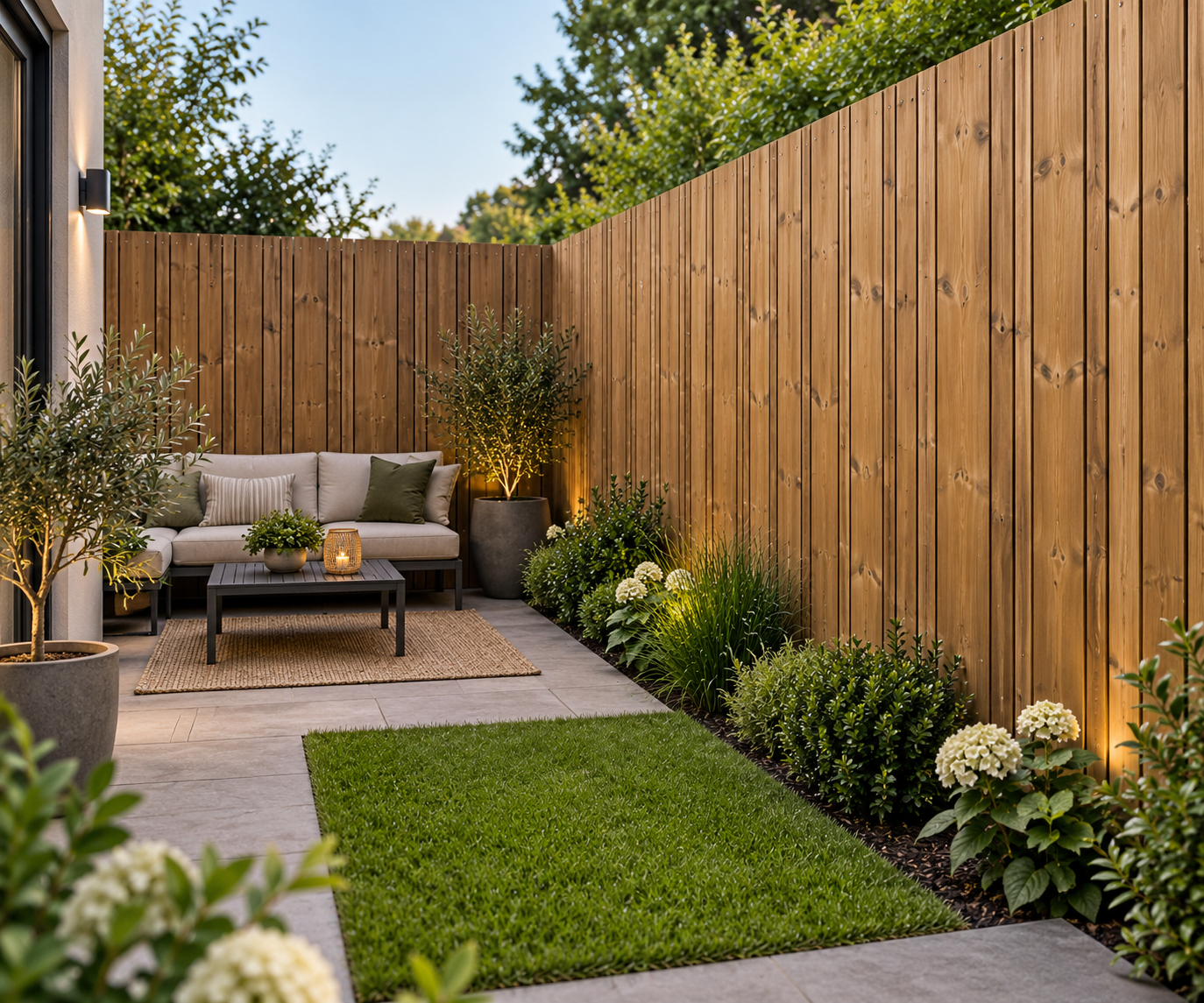
Thermowood has a rich, warm brown colour that gives it a sophisticated, contemporary look. Many homeowners feel it offers a more refined appearance than traditional pressure-treated timber.
More Sustainable
As no chemical preservatives are required, Thermowood is often viewed as a more environmentally conscious choice. The process relies on heat and steam rather than treatment chemicals.
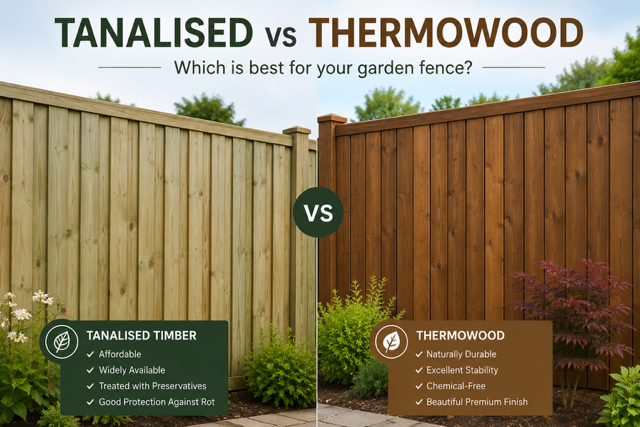
Thermowood vs Tanalised Timber
Why More Homeowners Are Choosing Thermowood Fencing
While tanalised timber remains a practical and affordable option, many homeowners are now looking for fencing that offers greater longevity, improved appearance and reduced maintenance.
Thermowood delivers on all three.
Its enhanced stability means fewer issues with movement and warping, while its beautiful natural finish creates a more contemporary and premium-looking boundary.
Although the initial investment is higher, many customers see Thermowood as a long-term upgrade that provides better performance and a more attractive finish throughout the life of the fence.
The Verdict
If budget is your primary concern, tanalised timber remains a solid choice for traditional garden fencing. However, if you are looking for a premium timber fence that combines durability, stability, sustainability and exceptional appearance, Thermowood is rapidly becoming one of the best options available. For modern gardens and homeowners who want the very best from their fencing, Thermowood represents the future of outdoor timber.